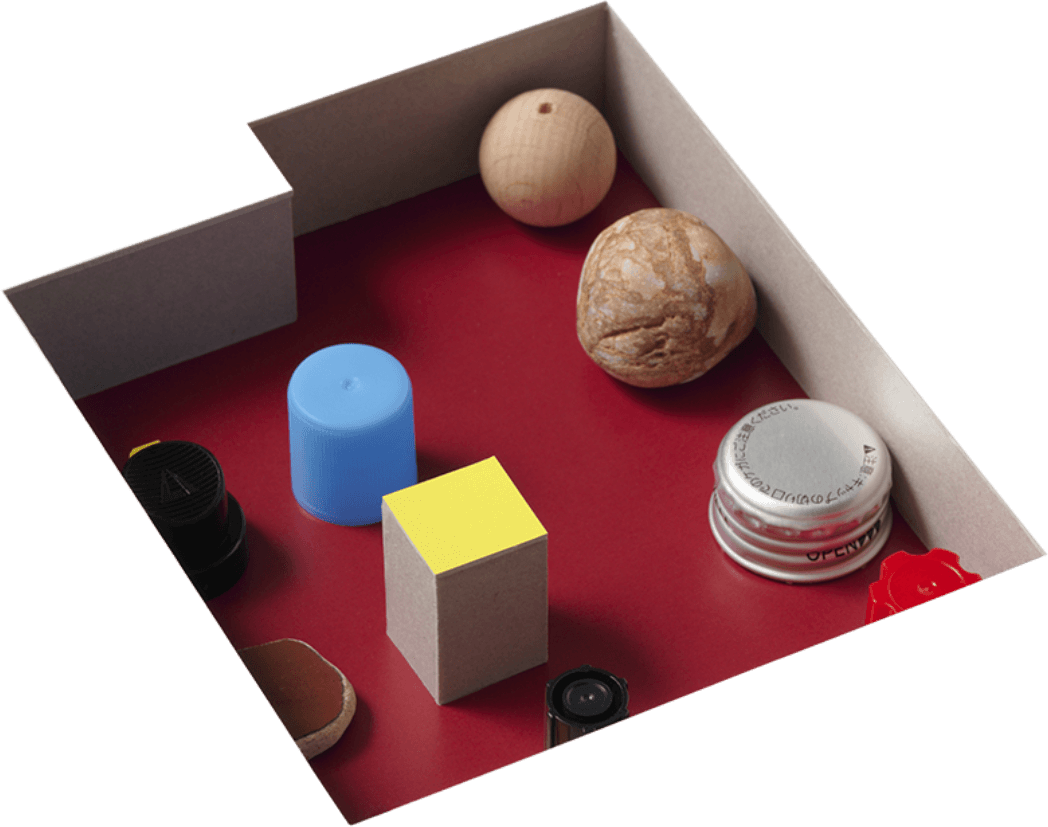
This is an open call for Exhibition proposals to be realized at Design Gallery 1953. As long as the exhibited works relate to your own design work—whether in product design, graphic design, architecture, or other fields—any genre is welcome.
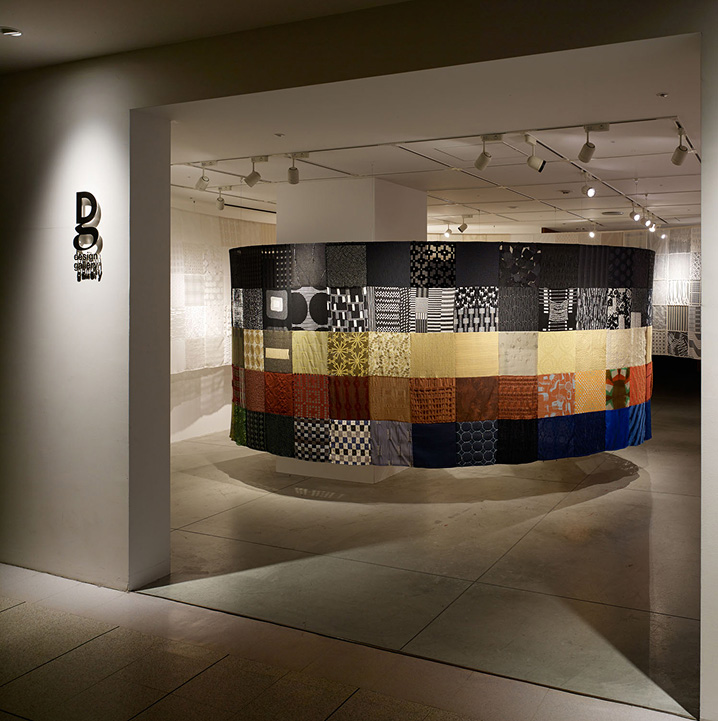
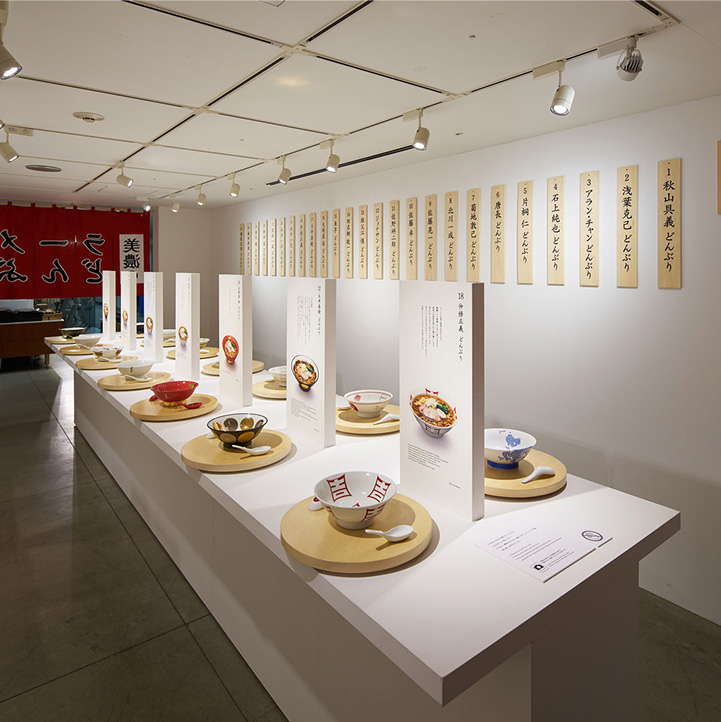
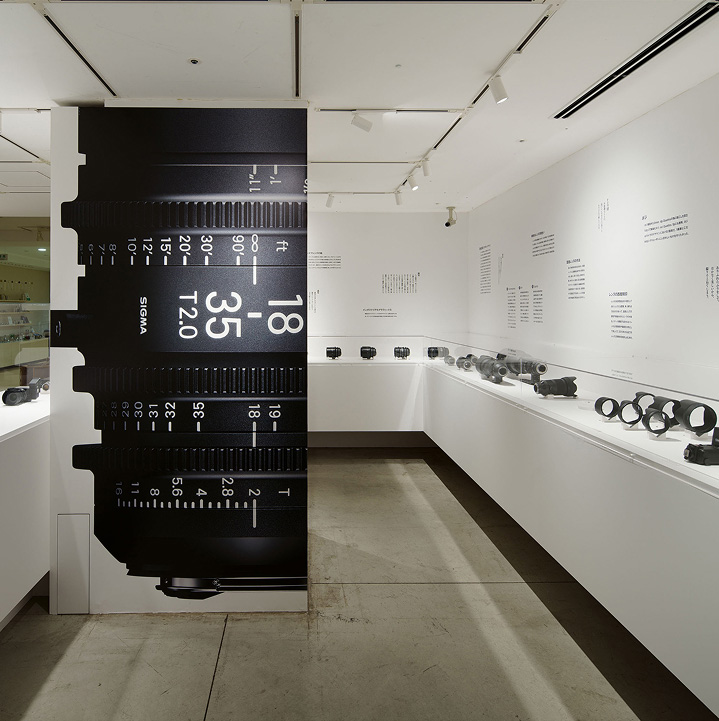
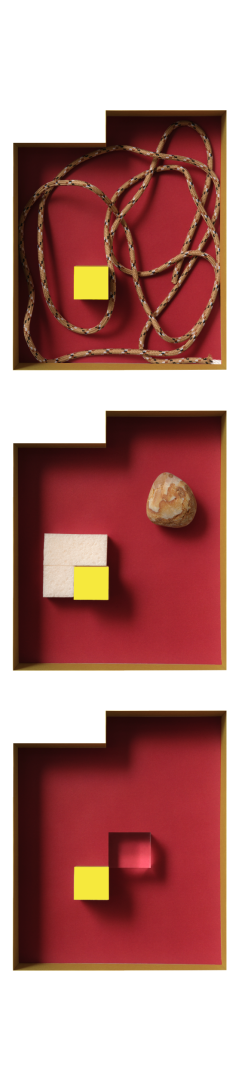
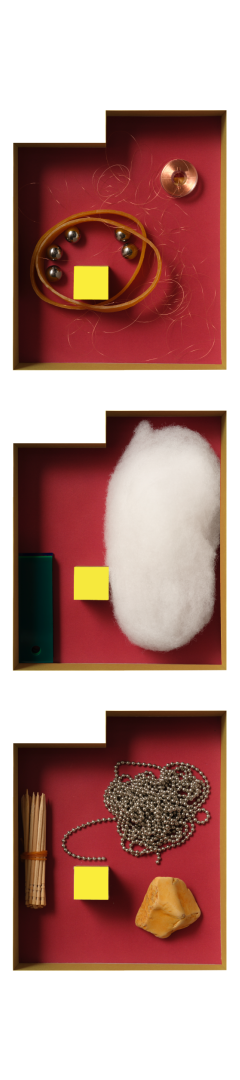
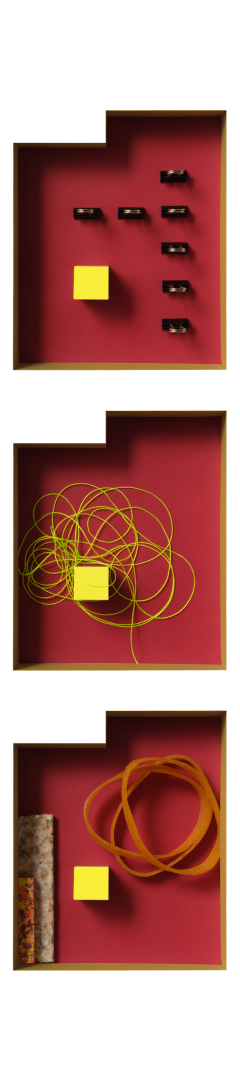
Previous Exhibitions Photo: Nacása & Partners Inc.
Since 1964, the Japan Design Committee has operated the Design Gallery 1953, a compact 45-square-meter space, located in the heart of Ginza. Having hosted around 800 exhibitions, including 'The Anatomy of Design' and 'Designer's Catalogue', the gallery has played a pivotal role in shaping contemporary Japanese design. In this historic space, the inaugural DESIGN GALLERY AWARD has been established to propel design in its philosophy, breadth, and quality into the future. Each year, two outstanding exhibition proposals will be selected from the submissions. The winners will receive an award and prize money, along with the opportunity to exhibit at the Design Gallery 1953.
The jury for this award consists of members of the Japan Design Committee, along with a selection panel chosen from among them, who will award two outstanding proposals.
Transcending disciplines, 30 designers, architects, and critics are currently participating in this initiative on a voluntary basis.
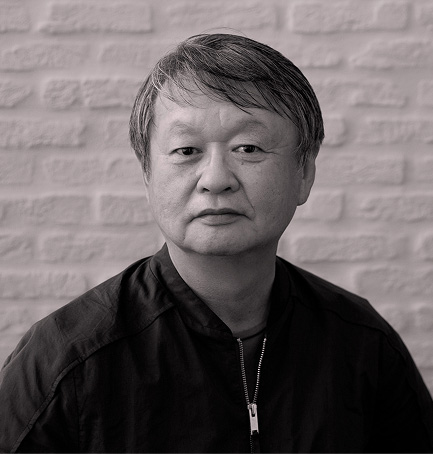
Do you want people to walk into the design gallery and immediately exclaim, “Woooow!”? Or do you want them to go, “???? …Ah!”? Either way, I want to experience the kind of emotion that draws out gasps of surprise and sighs of admiration. Designers are a deeply jealous breed. I want to feel insanely jealous.
Kenya Hara
Designer
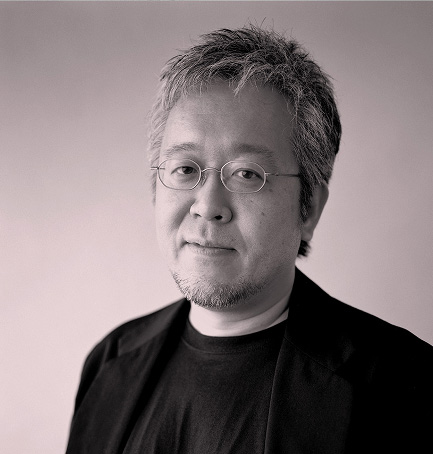
Imagine holding your own design exhibition in Ginza. Doesn’t that alone feel exciting? The gallery may be small, but it has hosted over 800 exhibitions. Spacial constraints inspire creativity and innovation. Don’t miss this opportunity —take the leap and dive in.
Hiroshi Naito
Architect
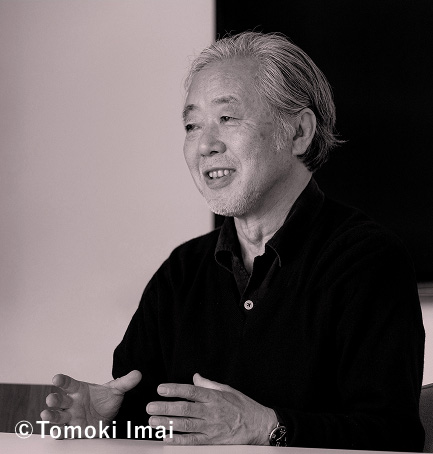
With the rise of generative AI, the day may soon come when no “mystery” lies beyond expectation. Human creativity itself is facing a moment of crisis. In this era, I hope exhibitions can still present “compelling mysteries” and “unknown mysteries” that only people can create for one another.
Taku Satoh
Graphic Designer
Since 2001, I have organized and curated an exhibition series in this gallery called Anatomy of Design, which dissected mass- produced products from an external, design-oriented perspective. That experience profoundly changed my life. Though the gallery is small, it is a space with limitless potential. Exhibitions are not defined by their size. Even a small venue can give rise to groundbreaking ideas. I look forward to seeing new proposals.
Reiko Sudo
Textile Designer
Even as design expression continues to diversify today, I believe that the “energy” or “earnestness” that comes from working with one’s hands and trying to create something will always reside within the work. It does not need to be polished or perfect. What matters is how one has engaged with the material and considered what to embed within it. For this inaugural edition of the award, I look forward to discovering the energy that emerges from that process.
Award Results Announcement
We would like to express our sincere gratitude for the many applications received for the 1st DESIGN GALLERY AWARD.Out of a total of 106 submissions, two entries have been selected for the Excellence Award following a rigorous evaluation process by the selection committee. The two winning entries will each be awarded an exhibition opportunity at Design Gallery 1953, along with a prize of 500,000 yen.
Excellence Award
Exhibition: "Shiori Ono, Contours of Space"
Exhibition Period: Wednesday, February 17 – Monday, April 12, 2027
Exhibition Overview
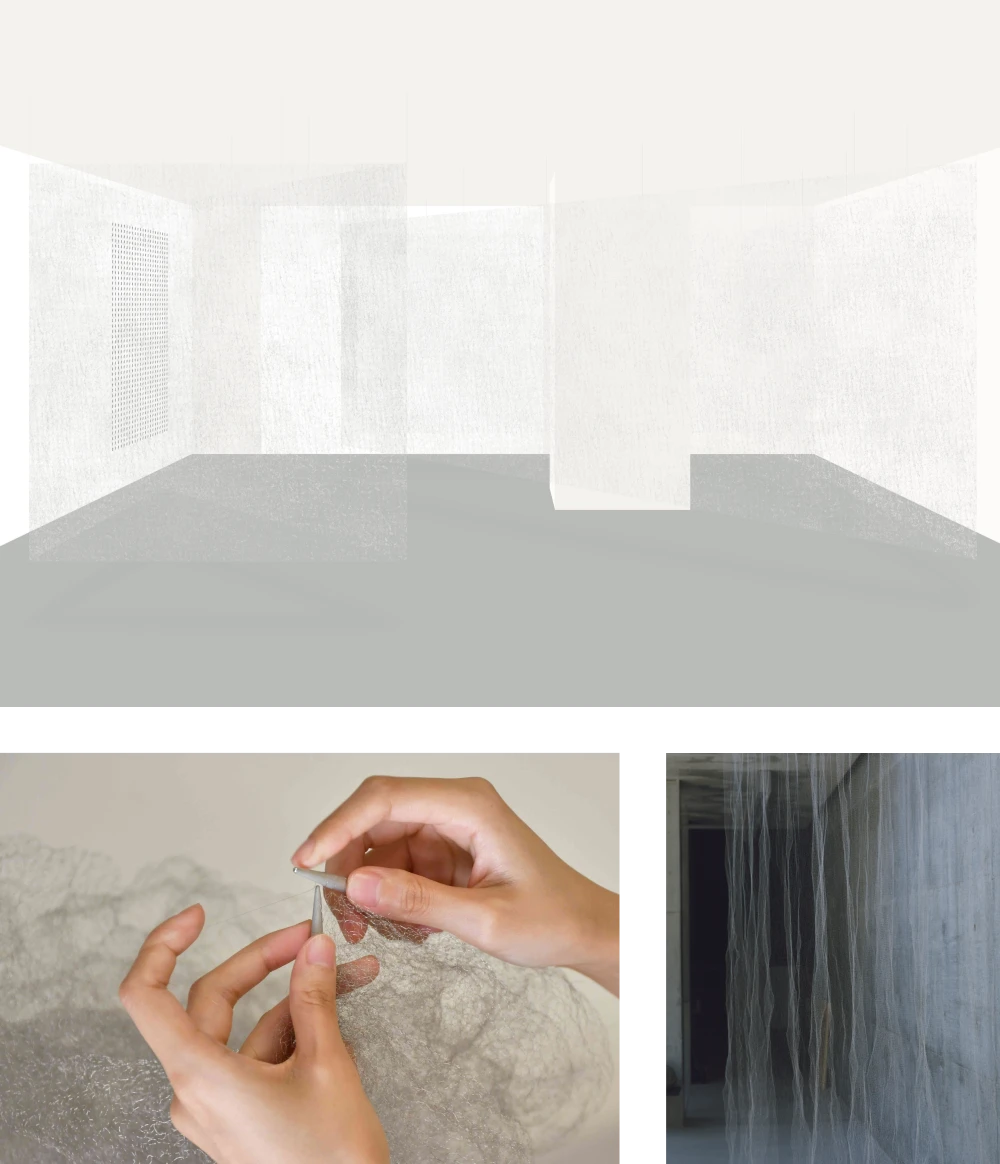
I will create a space that evokes a sense of "emptiness" at Design Gallery 1953. I believe that a space with a sense of emptiness—where one feels that "there is nothing"—can become a place of belonging. This is because a space that is not defined by a specific purpose or intended for a particular person allows many people to engage with it freely. Rather than simply emptying the space by removing objects from it, this project creates that sense of emptiness through the work itself. The work on display is a large-scale sculptural installation, hand-knitted from stainless steel wire like a single strand of thread to recreate the silhouette of the gallery. By reimagining the gallery itself as a "form," the work creates a space that feels empty. This sense of emptiness becomes a space open to "someone" or "something," offering each the possibility of finding a place of their own.
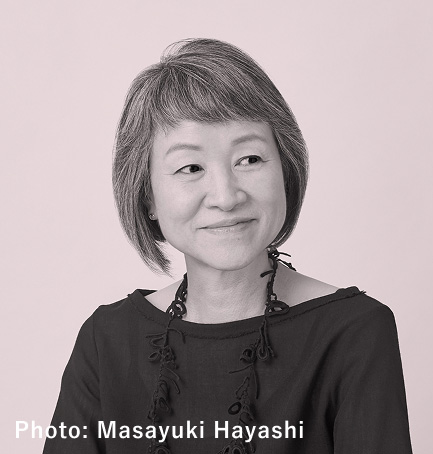
Shiori Ono
Artist / Designer
Shiori Ono creates artwork using textile techniques such as knitting and weaving from a single strand of thread. In addition to exhibiting work in Japan and internationally, she designs and creates textiles and garments. She received the Minister of Economy, Trade and Industry Award / Grand Prize at the 57th Japan Craft Exhibition. Her major exhibitions include "DESIGN LIVE EXHIBITION" in 2025 at Tokyo Midtown and "Material, or" in 2023 at 21_21 DESIGN SIGHT. She is currently an adjunct lecturer at Tokyo Zokei University.
Selection Committee Comments
Naoto Fukasawa
Whatever the material may be, it can be called a thread. One can sense that a thread possesses an inherent desire to become as fine as possible. When woven or spun, it transforms into fabric. While both fabric and thread can drift through the air like air itself, evoking a visualization of the movement of air, they are not as delicate as smoke. What the artist refers to as the silhouette sounds to me like a visualization of air—a metaphor for the invisible air made visible. I think people have a desire to escape gravity and become something like air themselves.
Kenya Hara
The artist’s interpretation of “emptiness” received high praise. By placing an almost invisible, microscopic knitwork within the gallery, it seems to create an unknown presence—bringing a sensibility to the space that has not been found in previous exhibitions. The artist's vision of form manifests in her dedication to creating something akin to an extremely delicate, almost immaterial 'membrane' that can only be achieved through handknitting. While she has already produced meticulous work through garment-shaped objects, here she takes knitting a step further, attempting to achieve a new spatial reality. By offering a new perspective on what an exhibition can be within a gallery, this project is truly worthy of the award.
Hiroshi Naito
To express something is, inevitably, to assert its presence. While most works strive to emphasize this sense of 'being,' this project gives tangible form to 'emptiness' and 'absence.' What is truly remarkable is that this expression of absence is realized through painstaking, almost obsessive handwork. On a personal note, the fragility, purity, and whiteness of this work instantly reminded me of the unique atmosphere found within the novels of Han Kang. I am genuinely eager to see this 'beauty' brought to life.
Taku Satoh
The proposal for this exhibition states that its aim is to create a space that evokes the sense of “emptiness.” But is such a thing truly possible? This project is an ambitious attempt to construct a space by hand-knitting fabric using ultra-fine stainless-steel wire just 0.06 mm in diameter. Having seen her work before, I remember how that space—set against a concrete wall—was incredibly delicate and beautiful. It was truly a mysterious space, where presence and absence seemed to coexist. I selected this proposal because I was compelled to see what kind of space would emerge when the work was developed in a small gallery within a department store. The award recognized this as an experimental proposal that takes a fundamentally different approach from conventional exhibitions, which focus on the careful viewing of individual works.
Reiko Sudo
She is an artist who has pioneered a high level of expression by combining the primitive structure of "weaving" with meticulous handcraft and a deeply considered concept. Her work—once described as having a "deep connection between beauty and material" and "strength within delicacy"—has expanded in this project to address the "contours of space." By enveloping the gallery with a structural form to create an empty, open space, this piece asks nothing of the viewer. Transcending logic, the raw origin of making—driven by a pure desire to create—opens up new possibilities for spatial design through handcraft. We highly commended her outstanding creativity.
Excellence Award
Exhibition: "Yuina Suzuki, Structure as Package — Forms that Complement Each Other"
Exhibition Period: Wednesday, April 14 – Monday, June 7, 2027
Exhibition Overview
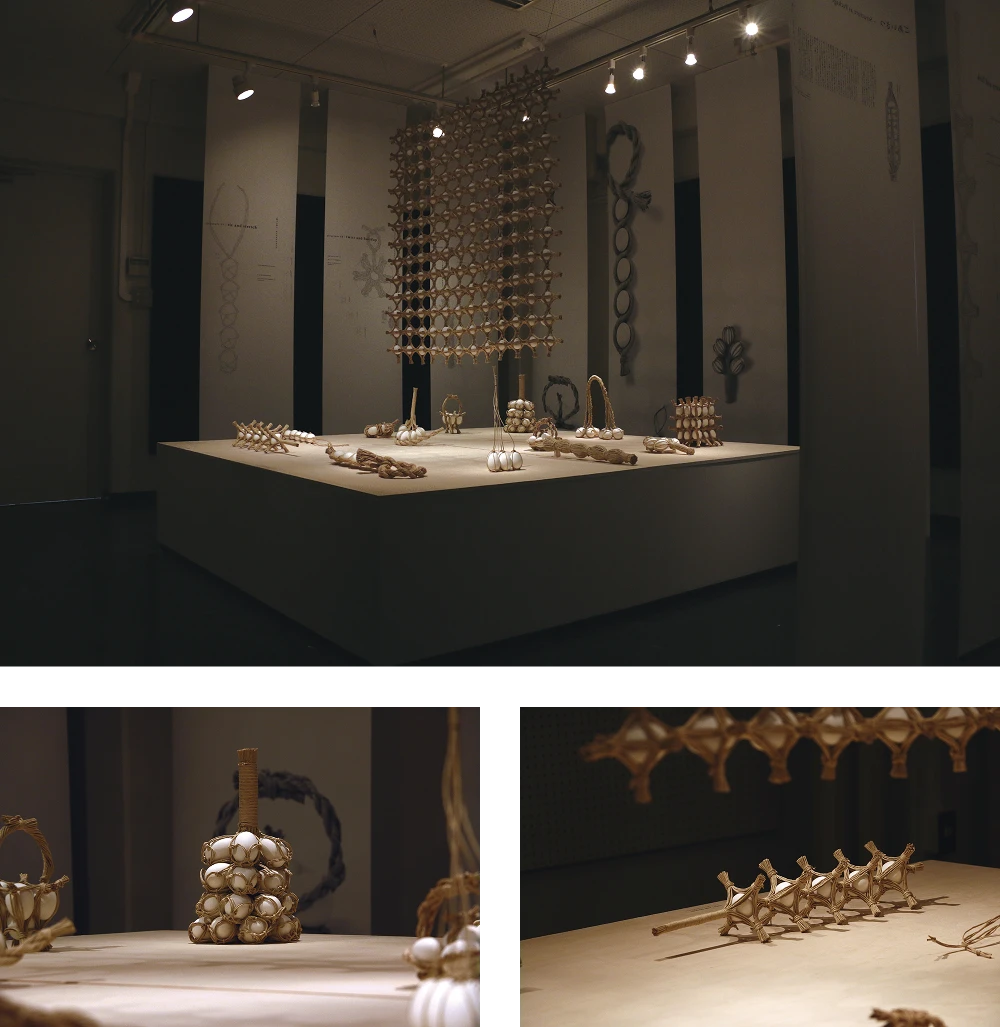
This exhibition reexamines the functional and formal qualities embodied in “Tamago-Tsuto” (traditional straw egg packaging). Tamago-Tsuto is a traditional packaging method devised to transport eggs—which were once a premium ingredient—safely and efficiently. Eggs were once an expensive food, and the package was made by weaving straw—an everyday material that was readily available and would otherwise be discarded—into a form that provided excellent protection. Today, as straw has become a costly material, this project utilizes paper cord as an alternative. Taking advantage of its elasticity, it reconsiders the art of packaging specifically designed for transporting eggs. When we engage sincerely with the act of “wrapping,” we inevitably arrive at questions of function and efficiency. Yet I do not believe this necessarily means that form must lose its decorative qualities. Through this project, I hope to present viewers with a new form of design that has emerged from deep consideration on what it truly means to "wrap" something.
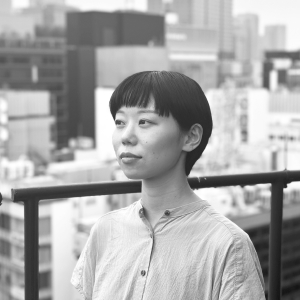
Yuina Suzuki
Designer
Born in Shizuoka Prefecture in 1994. After graduating from the Visual Design Course in the Department of Design, Faculty of Fine Arts at Kyoto City University of Arts, she completed her master’s degree in the Science of Design at the Graduate School of Art and Design, Musashino Art University in 2021. She joined Nippon Design Center, Inc. in the same year. She is actively working on projects spanning graphic design, product design, and exhibition spaces.
Selection Committee Comments
Naoto Fukasawa
When an egg is wrapped in linear materials, it intensifies into a somewhat eerie, uncanny object. The eeriness became less pronounced when eggs transitioned from being predominantly white to brown. Yet there is still something uncanny about this work. It goes beyond the mere function of packaging, making the very existence of the object laid bare. It possesses a certain beauty so profound that one could easily misinterpret it as an exploration of the grotesque.
Kenya Hara
It is clear and beautiful. I felt a strong desire to support the artist’s dedication to exploring the future of a “form that has come to be.” While this research was undoubtedly inspired by the Tamago-Tsuto—a folk-art form of packaging shaped through everyday life—I deeply resonate with her perspective and persistence in closely examining the relationship between “wrapping / being wrapped,” which emerges through the interplay between the paper cord and the object within, as well as her persistent pursuit of its further possibilities. As the artist suggests, the rationality of packaging does not mean disregarding visual appeal. Rather, the true wonder of the 'egg and cord' form lies in how the very dynamic of packaging and being packaged manifests as a compelling visual structure. The tension between human ingenuity and the elongated, tapered oval form still possesses something that, even today, utterly captivates the viewer.
Hiroshi Naito
The “egg” is a privileged material. It is something everyone has held, and our hands intimately know its hardness, weight, and fragility. Wrapping it in paper cord, the wrapping itself becomes the form. This unique concept and formal execution will undoubtedly surprise many. By introducing the egg as a medium, the work will deepen the emotional exchange between the form created by the artist and the viewer who encounters it.
Taku Satoh
I felt that an exhibition exploring further possibilities of the “Tamago-Tsuto,”—a traditional straw egg packaging—using paper cord would be, quite simply, beautiful. The proposal only touches briefly on the relationship between the rationality and ornamentation of wrapping, but I believe this is, in fact, a profound question. It is well known that Antoni Gaudí’s architecture is not merely decorative but is built upon the principles of nature. Today, simple and modern living spaces tend to be heavily promoted. Yet, if asked whether spaces and designs stripped of character are truly comfortable, I feel the answer is no. Alongside the question of whether modern design alone can truly enrich our living spaces, I look forward to this exhibition with great anticipation.
Reiko Sudo
Yuina Suzuki is an artist who explores the structural and formal possibilities of the handcraft technique of "braiding" with an exceptionally high level of refinement. In this project, she focuses on the rational function and beautiful structure of the “Tamago-tsuto,” a traditional piece of ingenuity crafted from rice straw for carrying eggs. By replacing the material with contemporary paper cord, she reinterprets its essence. The forms created through astonishing craftsmanship transcend the boundaries of conventional packaging. From small-scale objects to large-scale three-dimensional installations, her work develops into thoroughly rational and coherent structures. The work strongly suggests the potential of handcraft to open up new possibilities in architectural structure and three-dimensional expression.
Applications for the 1st DESIGN GALLERY AWARD are now closed. The 2nd edition is scheduled to take place in 2027. We look forward to receiving your entries.